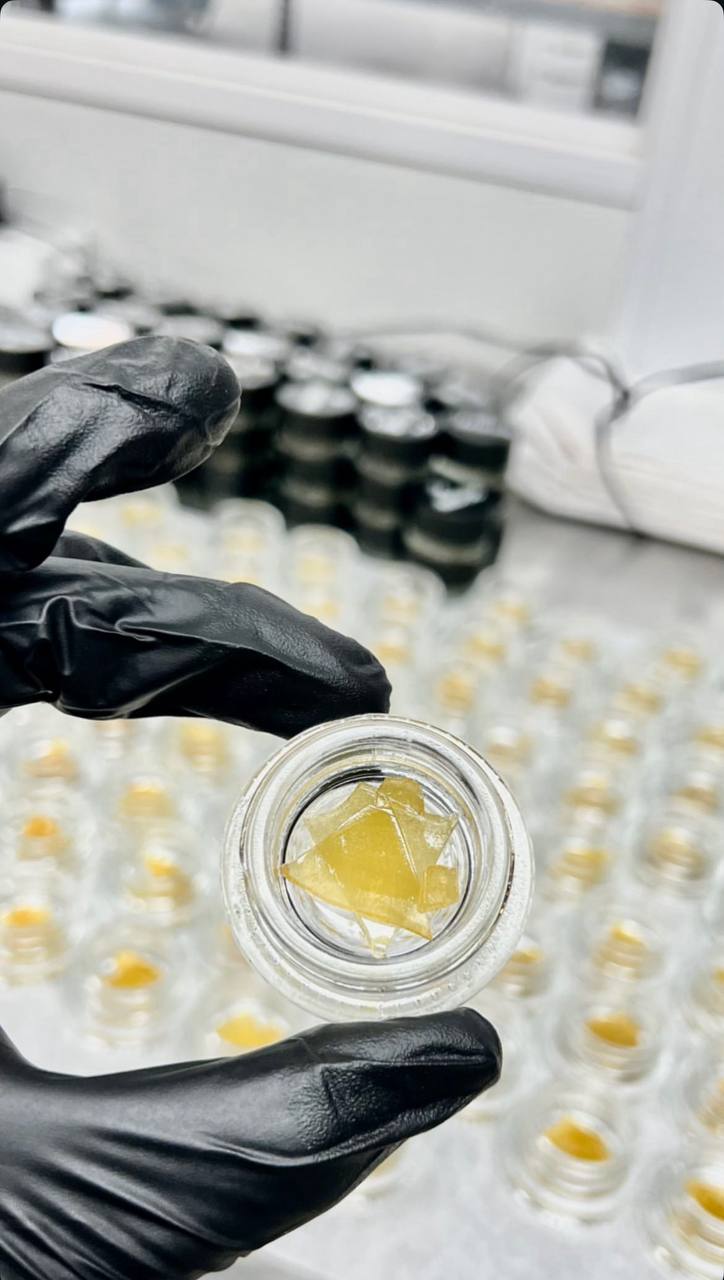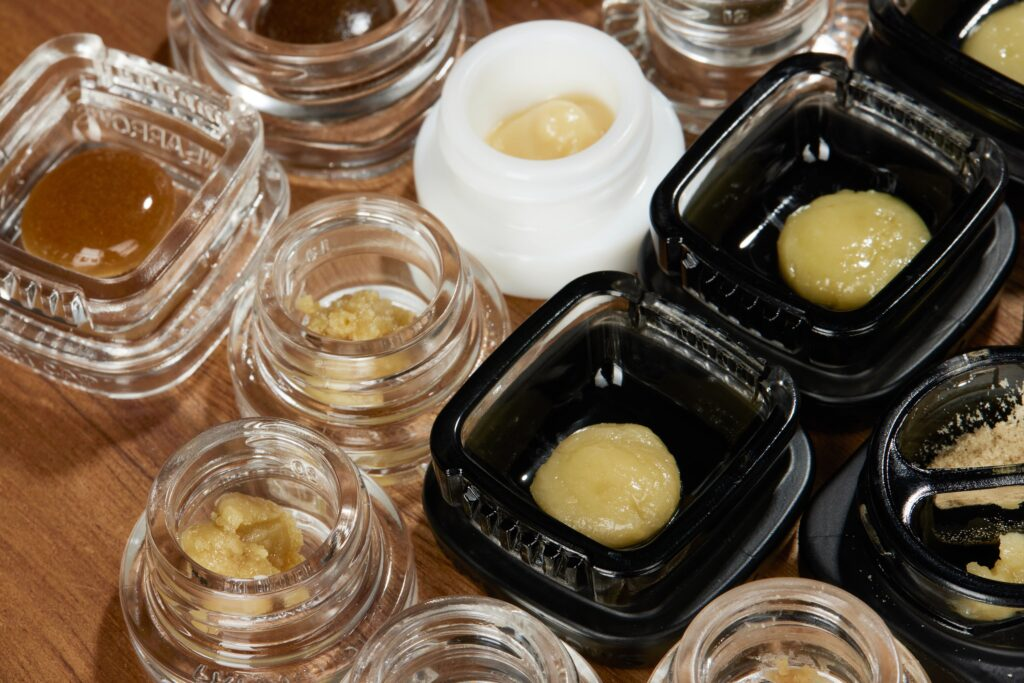
The History of Solventless Concentrates: From Traditional Techniques to Modern Innovation
Solventless concentrates have a long and fascinating history that stretches back centuries. Long before modern extraction equipment existed, people discovered that the natural resin produced by cannabis plants could be separated and collected using simple mechanical methods. Today, solventless concentrates continue to evolve through improvements in technology, quality control, and production techniques.
This article explores the history of solventless concentrates, how traditional methods developed over time, and how modern innovations have shaped today’s extraction processes.
Early Origins of Resin Collection
The collection of cannabis resin is believed to date back hundreds, if not thousands, of years. Historical records suggest that various cultures recognized the sticky resin found on cannabis flowers and developed techniques to separate it from the plant material.
Early methods relied entirely on physical processes rather than chemical extraction. Dried flowers were often gently sifted or rubbed by hand, allowing the tiny resin glands, known as trichomes, to separate naturally from the plant.
These traditional approaches laid the foundation for many solventless extraction methods used today.
Understanding Trichomes
Trichomes are tiny, crystal-like structures that form on the surface of cannabis flowers and leaves. They contain many of the plant’s naturally occurring compounds, including cannabinoids, terpenes, and flavonoids.
Because trichomes are delicate, they can be separated from the plant using careful handling and mechanical techniques without relying on chemical solvents.
Understanding the structure of trichomes has played a major role in the advancement of solventless extraction.
Traditional Mechanical Separation
Historically, producers relied on simple tools and manual labor to collect resin.
Some common traditional methods included:
- Dry sifting
- Hand rubbing
- Fine screening
- Mechanical agitation
Although these techniques required patience and experience, they demonstrated that high-quality resin could be collected using only physical separation.
The Rise of Modern Solventless Techniques
During the late twentieth century and early twenty-first century, improvements in equipment and manufacturing introduced more consistent solventless extraction methods.
Modern innovations focused on:
- Better filtration materials
- Improved temperature control
- More precise pressure application
- Cleaner processing environments
These developments helped improve consistency while preserving many of the plant’s naturally occurring compounds.
Heat and Pressure Extraction
One of the most significant developments in solventless processing has been the use of controlled heat and pressure.
Rather than relying on chemical solvents, specialized presses apply carefully managed heat and pressure to plant material or mechanically separated resin. This process allows resinous compounds to be expressed without the use of hydrocarbon solvents.
Because the process depends primarily on physical force, it is commonly categorized as solventless extraction.
Importance of Temperature Control
Temperature plays an important role in many extraction methods.
Modern equipment allows operators to carefully regulate heat, helping improve consistency and reduce unnecessary degradation of heat-sensitive compounds.
Advances in digital temperature controls have made modern equipment significantly more precise than earlier manual methods.
Improvements in Equipment
Today’s solventless extraction equipment incorporates a variety of engineering improvements, including:
- Digital temperature controllers
- Hydraulic pressure systems
- Precision-machined plates
- Food-grade contact materials
- Consistent pressure monitoring
These technologies allow for greater repeatability during processing.
Laboratory Testing and Quality Standards
As legal markets have expanded in some regions, laboratory testing has become increasingly important.
Independent laboratories may analyze products for factors such as:
- Cannabinoid content
- Terpene profile
- Residual solvent screening (where applicable)
- Heavy metals
- Microbial contamination
- Pesticide residues
Testing helps provide consumers and regulators with information about product composition and quality.
Sustainability and Solventless Processing
One reason solventless methods continue to receive attention is their reliance on mechanical rather than chemical extraction techniques.
Because these methods do not require many industrial solvents, they may reduce certain environmental and processing considerations associated with solvent-based extraction methods.
Many producers continue exploring ways to improve energy efficiency and reduce waste throughout production.
Ongoing Innovation
Research into solventless extraction continues to evolve.
Areas of ongoing development include:
- Improved filtration systems
- Enhanced temperature management
- More efficient mechanical separation
- Automation and process consistency
- Better preservation of aromatic compounds
As technology advances, solventless processing methods are expected to become increasingly refined.
Looking Ahead
The future of solventless concentrates will likely be shaped by continued advances in engineering, quality assurance, and manufacturing techniques. Improvements in equipment design and analytical testing are helping producers better understand extraction processes while supporting consistent product quality.
Although techniques have changed considerably over time, the basic principle remains the same: using physical methods to separate naturally occurring resin from plant material.
Conclusion
The history of solventless concentrates demonstrates how traditional knowledge and modern engineering can intersect. From early manual collection methods to today’s precision-controlled extraction equipment, solventless processing has evolved through continual innovation to buy live resin online.
Understanding this history provides valuable context for anyone interested in plant science, extraction technology, or the evolution of modern agricultural processing methods.